According to media reports, the family announced the death of the labor and civil rights leader; it has not been confirmed by official sources. No dates have been set for the tributes yet.
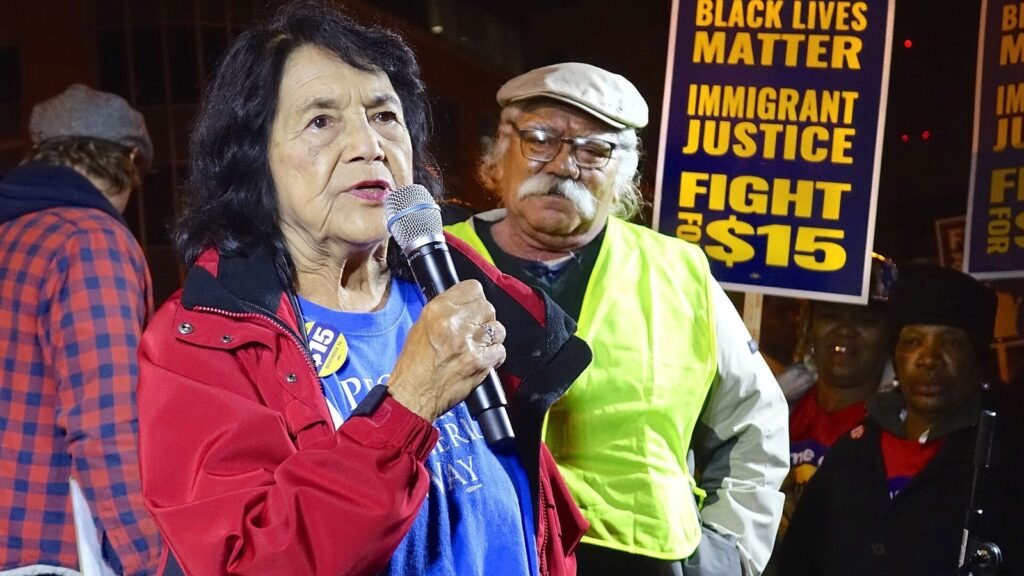
Dolores Huerta, co-founder of the farmworkers' union now known as United Farm Workers (UFW) and one of the most recognized figures in Latino civil rights in the United States, died Wednesday, October 28, 2026, at age 96, according to media reports citing a statement from her family. As of publication, we had not found the announcement on an official page of the Dolores Huerta Foundation or the union, so the information is attributed to those reports.
What Is Known About the Announcement
According to those reports, the family wrote that its “beloved mother” had died and asked for privacy during the mourning period. They also said they will later release details of the events to honor her legacy. Media outlets citing a family spokesperson mention cancer as the cause; that detail has not been confirmed by official sources.
On social media, posts from users and media accounts describe her as a leading figure in the fight for civil rights and as a co-founder of the movement that gave rise to the union. Those posts are useful for gauging reaction, not as data sources.
A Six-Decade Career
According to her foundation's biography, Huerta was born on April 10, 1930, in Dawson, a mining town in northern New Mexico. In the spring of 1962, she began the Asociación Nacional de Trabajadores del Campo (National Farm Workers Association) with César Chávez, according to that same page.
The Obama White House described her this way in April 2012: together with Chávez, she co-founded the National Farmworkers Association in 1962, which later became the United Farm Workers of America. That announcement presented her as a champion of civil rights, workers, and women. Among her achievements, the document mentions her role in the passage of the California Agricultural Labor Relations Act of 1975 and the creation of disability insurance for farmworkers.
The same text notes that she founded the Dolores Huerta Foundation in 2002 and that in 1998 she received the Eleanor Roosevelt Human Rights Award from then-President Bill Clinton. In 2012, President Obama presented her with the Presidential Medal of Freedom. Her slogan “¡Sí se puede!” (“Yes, we can!”) became, according to the foundation, a motto for generations of activists.
A Recent Revelation
In March 2026, according to press reports, Huerta publicly said that César Chávez sexually abused her in the 1960s and that two of her children were born as a result. According to those reports, she had remained silent for more than six decades out of fear of harming the farmworker movement. That statement is attributed to her and has not been independently verified by this outlet.
What's next?
The family has not published dates or locations for the tributes. According to reports, details will be released later. The Dolores Huerta Foundation maintains its website at doloreshuerta.org, where her biography and the organization's statements can be consulted.
What does it mean to you?
- If you are looking for information about events in her honor, check the channels of the Dolores Huerta Foundation and the UFW union; the family said it will announce them later.
- To learn about her career and the recognition she received from the federal government, you can review the White House announcement from 2012.
- Be wary of social media messages asking for donations “in her memory” that do not come from the foundation's official channels.
Legal notice: This information is general and does not replace the advice of a licensed immigration attorney or a representative accredited by the Department of Justice.
Editor's note: Some information in this article could not be confirmed with official sources at the time of publication; it comes from reports by other media outlets or from the individuals quoted. We will update the article if the information changes.
This information is general and does not replace the advice of a licensed immigration attorney or a representative accredited by the Department of Justice. The Latin Americans does not offer legal services.