The full Fifth Circuit ruled 10–7 in New Orleans; the Supreme Court has already agreed to review whether the law allows detention without a bond hearing.
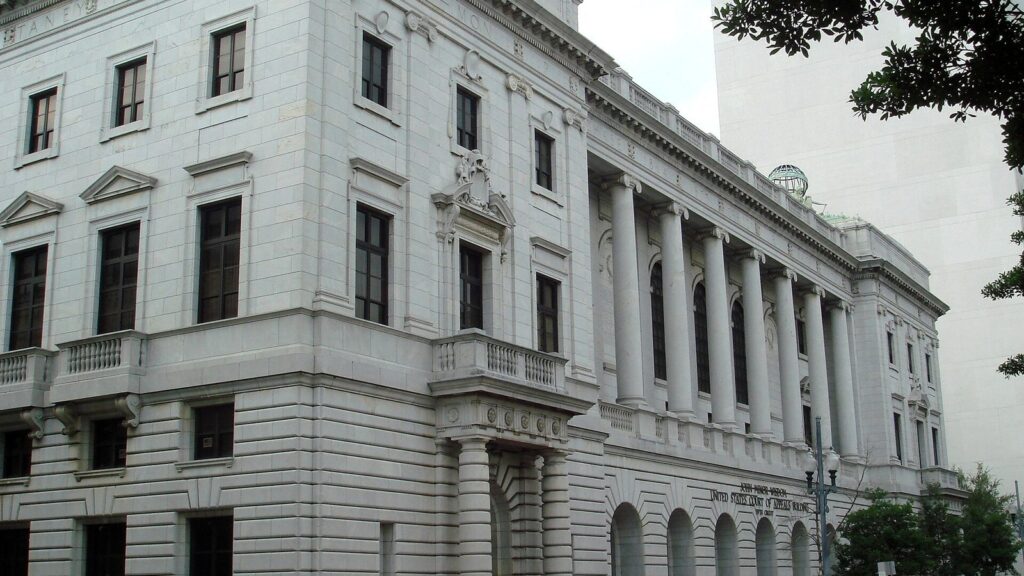
The full U.S. Court of Appeals for the Fifth Circuit ruled on Friday, October 23, 2026, by a vote of 10 to 7, that immigrants detained by U.S. Immigration and Customs Enforcement (ICE) after entering the country without being admitted have no constitutional right to a bond hearing. The decision applies in Texas, Louisiana, and Mississippi.
What the court decided
The case, No. 26-50183, is listed in the opinion published by the court itself. The majority, opinion written by Judge Cory Wilson, concluded that the Fifth Amendment does not require individual hearings on dangerousness or flight risk for people detained while their deportation is processed under Section 1225(b)(2)(A) of the U.S. Code. Three judges, including Leslie Southwick, wrote dissents.
The decision overturned orders from federal district courts that had released three long-term residents in Texas. In July, a three-judge panel had ruled 2–1 in their favor and required a hearing within 90 days of the start of detention. The full court vacated that ruling and heard arguments on September 24.
What it does not resolve
The ruling addresses the constitutional right to a hearing. It does not decide whether immigration law allows or prohibits detention without bond for people arrested inside the country who entered without inspection, a question the Supreme Court has already agreed to review.
On October 1, the Supreme Court agreed to hear the case Rhoney v. Barbosa da Cunha (No. 26-104), which pits Section 1226(a), which allows a bond hearing, against Section 1225(b)(2)(A), which does not provide for one. According to the case file at supremecourt.gov, the originating court is the Second Circuit. No date has been set for arguments or a decision.
Where the courts stand
The appeals courts are divided. According to press reports, the Fifth and Eighth Circuits have backed the government's reading on mandatory detention, while other circuits, including the First and Second, have ruled the other way. That split is why a national ruling from the Supreme Court is expected.
The decision matters in Texas and Louisiana, states with many detention centers. According to reports, the government has moved people arrested in other states there. The ruling alone does not change the situation of people in other jurisdictions.
Reactions
The National Immigration Project, which represented the three men, criticized the ruling and said it had not yet decided whether to seek Supreme Court review, according to press reports. The material reviewed contains no statement from the White House or the Department of Homeland Security (DHS) about this ruling.
What does it mean to you?
- If you or a family member are detained by ICE in Texas, Louisiana, or Mississippi, it is now harder for a federal judge to order a bond hearing on constitutional grounds.
- The ruling does not change the rules in other circuits, where some courts have ordered hearings.
- The Supreme Court will decide the underlying legal question; until then, the situation may vary depending on where the person was arrested and detained.
- Each case depends on its own facts, such as the manner of entry, time in the country, and background. Consult an immigration attorney or an accredited legal organization.
Legal notice: This information is general and does not replace the advice of a licensed immigration attorney or a representative accredited by the Department of Justice.