A Ninth Circuit panel, according to reports, expressed doubts about the Department of Justice's request to set aside ballots from alleged noncitizens. No ruling has been issued yet; the elections are on November 3.
A panel of the Ninth Circuit Court of Appeals expressed doubts on Sunday, October 25, about the U.S. Department of Justice's request that California set aside some 20,000 mail-in ballots from people the federal government considers presumed noncitizens, according to press reports. As of this writing, no ruling had been issued, and the general election is November 3.
What is being argued in court
According to those reports, the case is United States v. California, filed October 15 in the Central District of California. The Department of Justice seeks to halt the counting of ballots linked to people it says are likely not citizens, until their status is confirmed. It went to the Ninth Circuit before the district judge held his hearing, and the panel questioned that decision as well as how the 20,000 figure was reached. These details of the hearing have not been confirmed in court documents we have reviewed.
The California government maintains that the list is not reliable and that the state runs its own elections. The parties' positions are known from coverage of the hearing; the panel said it would seek to resolve the matter as soon as possible.
The letters to the counties
Reports indicate that on Friday, October 24, the U.S. Attorney's Office in Los Angeles sent letters to California counties. They ask officials to identify people on a list, provide data such as Social Security numbers and registration documents, and «segregate, not cancel» the ballots of those whose citizenship cannot be confirmed, with a 48-hour deadline. The letters warn of possible criminal consequences. According to the reports, the number of names varies by county: 1,754 in Orange, 1,355 in Riverside and 1,133 in San Bernardino, among others, and 42 in Napa, out of a roll of about 86,000 people.
Local officials cited in those reports said they will continue administering the election according to the law. Several counties that reviewed the lists said they found canceled or inactive records, people with no voting history, voters who appeared to have been born in the U.S., and even names from another jurisdiction. These are statements from local officials; there is no independent review.
Background
The conflict began earlier. The California Secretary of State reported in a October 14 statement that on the 13th it received a Department of Justice demand to review a list of alleged noncitizens, without being sent the list, with a 48-hour deadline and 21 days before the election. According to the statement, the Los Angeles registrar's office said the list arrived on a password-protected USB drive.
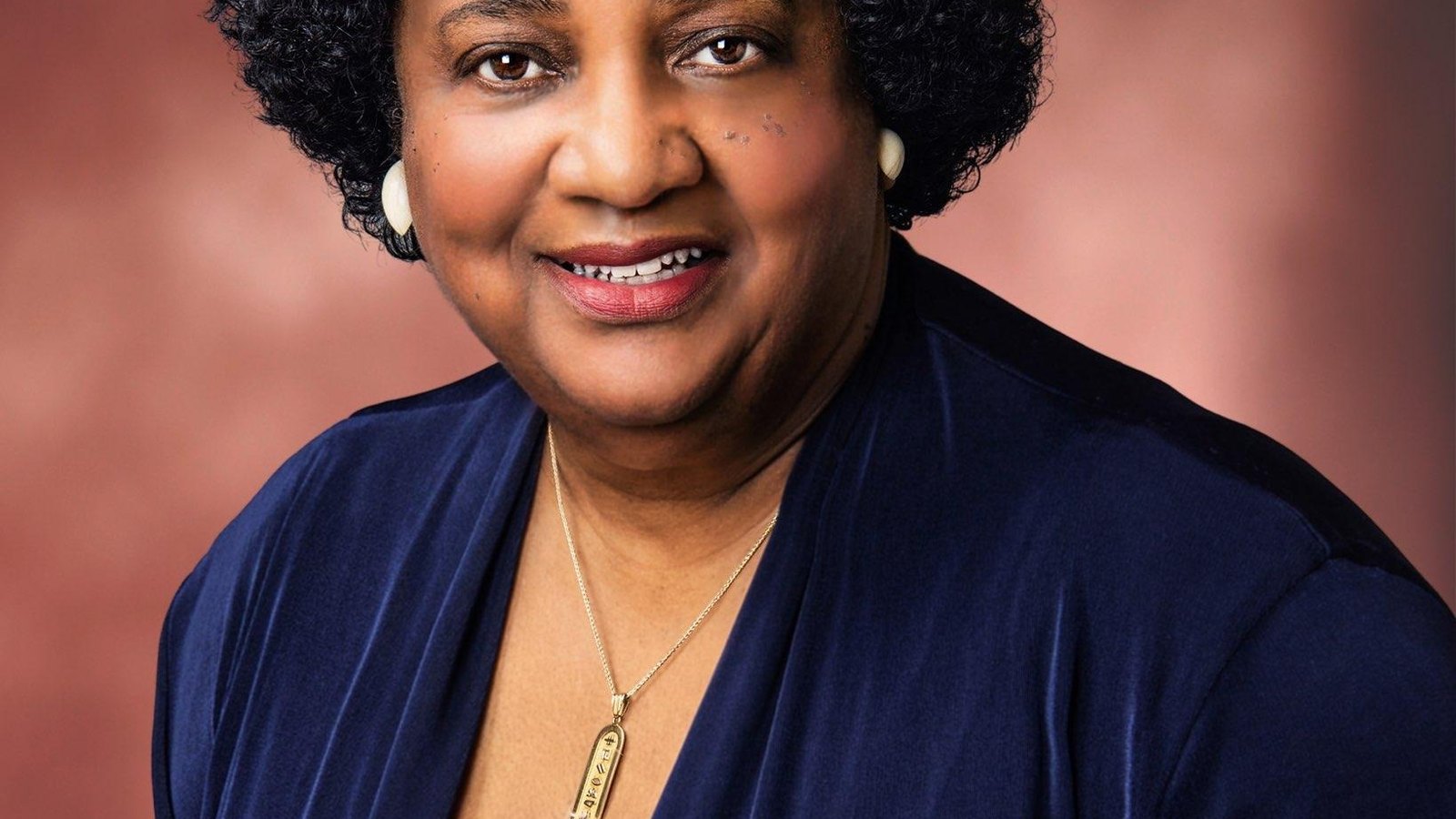
The same statement recalls that in July federal officials claimed there were about 190,000 noncitizens on California's voter rolls, and that the state requested the methodology and data sources without receiving a response. Secretary of State Shirley N. Weber said «California has robust state law requirements that only U.S. citizens can register to vote».
In June 2025, the Department of Justice had already sued the Orange County registrar for refusing to hand over records on the removal of noncitizens and for, according to the agency, failing to maintain an accurate list as required by HAVA.
What the law says
Voting in a federal election as a noncitizen is a federal crime under Section 611 of Title 18 of the U.S. Code, punishable by a fine, up to one year in prison, or both. The question in court is not whether that prohibition exists, but whether the federal government can order a state to set aside ballots based on that list.
What's next?
The Ninth Circuit panel had not issued a decision. According to reports, the district judge had a hearing scheduled for Tuesday, October 27. Counties continue preparing for the November 3 election.
What does it mean to you?
- If you are registered and a citizen, your ballot is proceeding normally; for now, there is no court order requiring ballots to be set aside.
- If you receive a mail ballot, vote and return it within your county's deadlines; check your ballot status with your county elections office or the California Secretary of State.
- If you have doubts about your registration, verify your information on the California Secretary of State's official website or call your county elections office.
- Be wary of messages asking for your documents or your Social Security number by text or on social media about your vote; election offices do not ask for them that way.