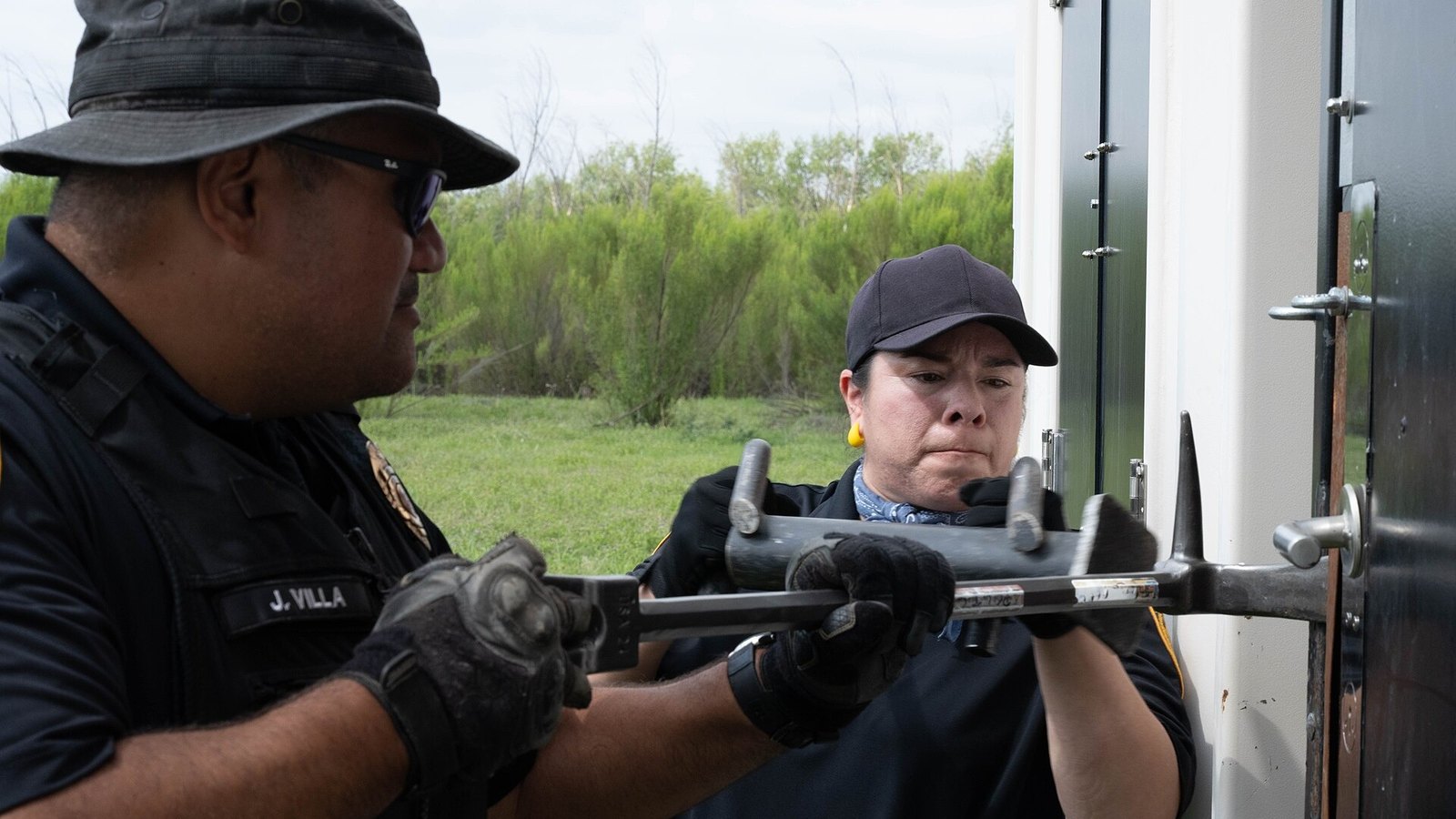
The organization accuses ICE of making arrests without a judicial warrant and points to the DTOP for handing over data on some 6,321 immigrants. ICE and the government had not responded.
The American Civil Liberties Union of Puerto Rico (ACLU-PR) denounced on October 25 a deployment of agents from U.S. Immigration and Customs Enforcement (ICE) in communities with immigrant residents on the island. The organization describes it as part of a pattern of harassment and violence. As of the publication of this story, ICE and the Puerto Rico government had not publicly responded to these accusations, according to the reports available. The statement could not be consulted on the organization's website, so what follows is what the ACLU-PR asserts, not facts confirmed by official sources.
What the ACLU of Puerto Rico Alleges
According to the organization's statement, the operations began on Thursday, October 22 and continued through the weekend. Its executive director, Annette Martínez Orabona, said agents are occupying the streets in a threatening manner and carrying long guns in neighborhoods where immigrants live.
The ACLU-PR also accuses ICE of discriminatory practices: arrests without a judicial warrant, separation of families and obstacles to immigration procedures that were already underway. These are the organization's allegations; they have not been proven by a court or acknowledged by ICE.
The organization recalled that recording, documenting and peacefully protesting in front of officials performing public duties is a right protected by the First Amendment to the Constitution. That recommendation came after videos of neighbors approaching agents during some operations circulated on social media, according to local press reports. This outlet has not independently verified those posts.
The background: provisional driver's license data
The statement also names Governor Jenniffer González Colón and Edwin González Montalvo, secretary of the Department of Transportation and Public Works (DTOP). The ACLU-PR maintains that the DTOP handed over confidential data on more than 6,000 immigrants with driver's licenses to ICE.
That claim has its own history. According to the ACLU-PR, the U.S. Department of Homeland Security (DHS) issued an administrative request to the DTOP on January 26, 2025, with a deadline of February 7. The organization says the data document is dated January 29 and includes the name, date of birth, immigration status, address, municipality, ZIP code and phone number of some 6,321 people.
The ACLU-PR maintains that the request was not a court order and that, for that reason, the DTOP cooperated voluntarily. It called for the resignation of González Montalvo. The governor reportedly rejected that version on October 15: according to press reports, she said the DTOP responded to a federal request and called it irresponsible to claim the handover was voluntary. These statements are not confirmed by an official source.
According to the ACLU-PR, the Supreme Court of Puerto Rico denied the DTOP's second motion for reconsideration on October 9, a ruling that was served on October 14, so the order to disclose the document stands.
Local Reactions
San Juan Mayor Miguel Romero Lugo said, according to press reports, that no municipal agency participates in or supports immigration operations; that position is not confirmed by an official source. ICE had not released public details on the number of arrests in these operations, and the figures circulating come from community leaders, not official data.
What does it mean to you?
- If you come across an enforcement operation, you can observe and record from a distance that does not get in the way of the agents; the ACLU-PR says the First Amendment protects that right.
- As a general rule, you are not required to answer questions about your immigration status, and you can ask to speak with a lawyer. This is not personalized legal advice.
- As a general rule, agents need a warrant signed by a judge to enter your home without your permission.
- If someone in your family was detained, a lawyer or a civil rights organization can advise you about their case.
The location and number of arrests should be treated with caution: so far, they come from the ACLU-PR, community leaders and press reports, not from an official ICE tally.
Legal notice: This information is general and does not replace the advice of a licensed immigration attorney or a representative accredited by the Department of Justice.
Editor's note: Some information in this article could not be confirmed with official sources at the time of publication; it comes from reports by other media outlets or from the individuals quoted. We will update the article if the information changes.