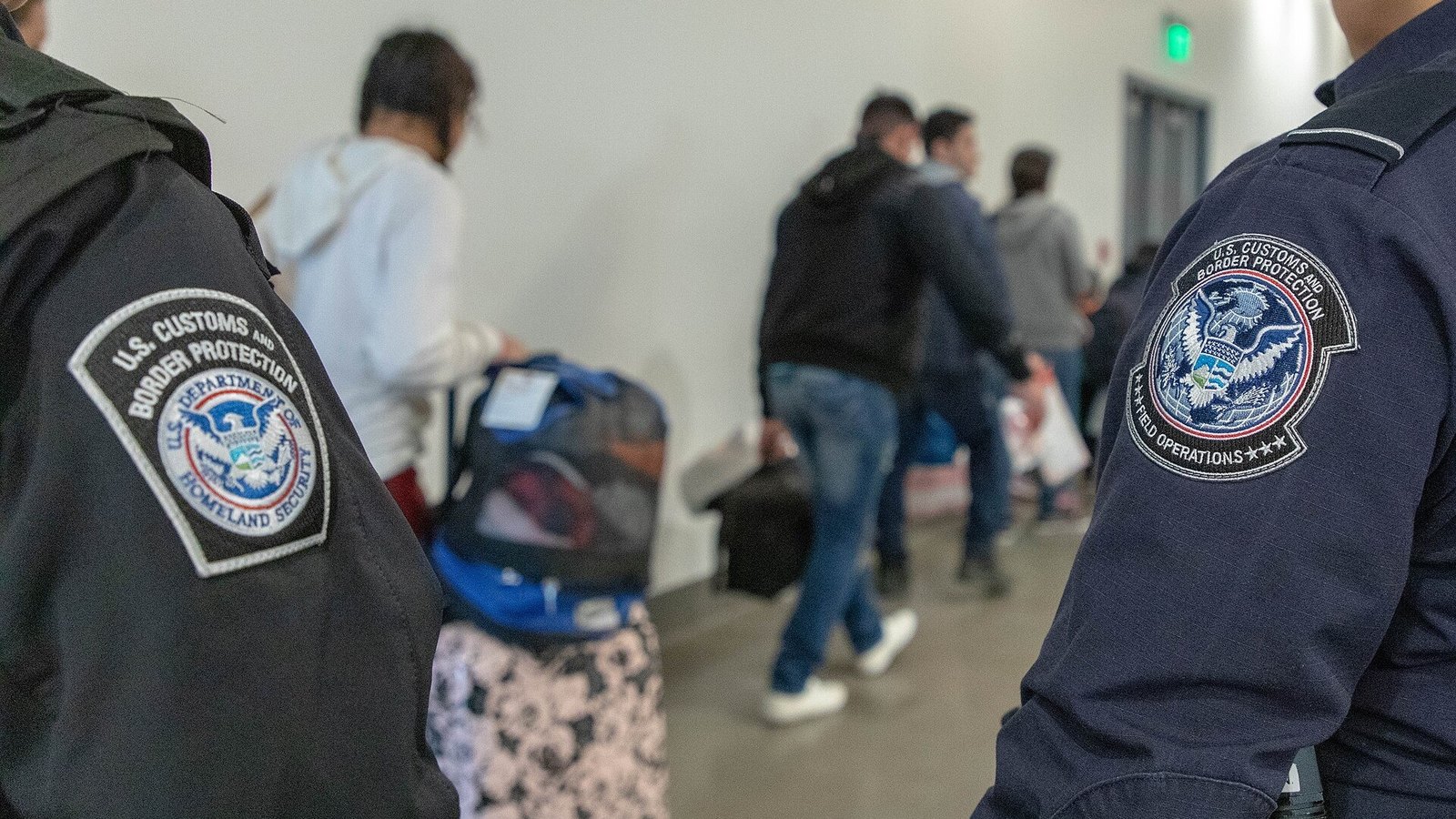
The agency warns of a scam in which impostors use a fake badge, say your number was used in another country, and ask for money as a “security deposit.”
The Federal Trade Commission (FTC) published on October 22, 2026 a consumer alert in which it clarifies that its employees do not call to threaten to disconnect a person’s phone number. The agency describes a scam in which impostors pose as FTC officials.
How the call works, according to the FTC
According to the alert, the caller says a phone was registered in the person’s name and was used to commit scams in another country. To seem credible, the supposed official reads a badge number, which is fake, and warns that the phone will be disconnected if the person does not cooperate.
Then, according to the FTC, they transfer the victim to a supposed police officer to file a report. If the person doubts it, they are asked to look up the police number online and call, but whoever answers is part of the scam.
Impostors ask for ID and personal information, demand that the matter be kept secret, and threaten to arrest the person and force them to travel to another country. To avoid this, they ask the person to send money as a “security deposit.” The FTC clarifies that none of this is true.
What an FTC employee never does
The agency lists four signs that the call is fake. A real FTC employee never:
- asks that money be sent, or puts you in touch with someone who asks for it;
- threatens to disconnect your phone;
- asks you to keep the conversations secret;
- texts a photo of their ID to “verify” who they are.
What can you do?
The FTC recommends these steps:
- Do not send money or share personal information with anyone who calls you like this.
- Be wary of any call that pressures you to act immediately or to keep it secret.
- If in doubt, do not use the number the caller gives you: look up the official contact for the agency or police department on your own.
- Report it to the FTC at ReporteFraude.ftc.gov.
The agency also maintains a page on how to avoid impostor scams. The alert does not include figures on how many people have received these calls or how much money has been lost.
What does it mean to you?
- A call threatening to cut off your line or arrest you does not match what the FTC does, according to the agency itself.
- Someone reading a badge number or transferring you to a “police officer” does not prove the call is real.
- If you already gave out information or sent money, report it at ReporteFraude.ftc.gov.
- Share the warning with family members who receive calls from supposed officials.